

How does voice surveillance differ from other forms of communications surveillance?
As regulators encourage firms to effectively supervise business communications to deter misconduct and maintain compliance, what are the main differences to watch for when monitoring voice communications versus written digital communications?
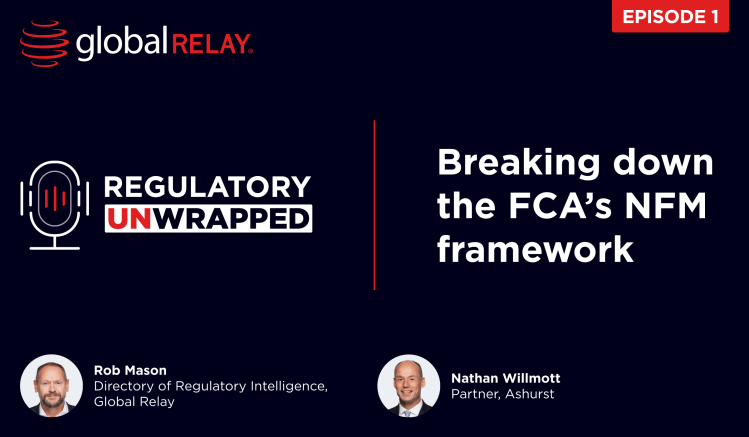
Regulatory Unwrapped: Breaking down the FCA’s NFM framework
Join us for a deeper dive into the biggest regulatory trends and challenges firms are facing as we chat with experts and understand how organizations can keep pace with fast-paced compliance changes.
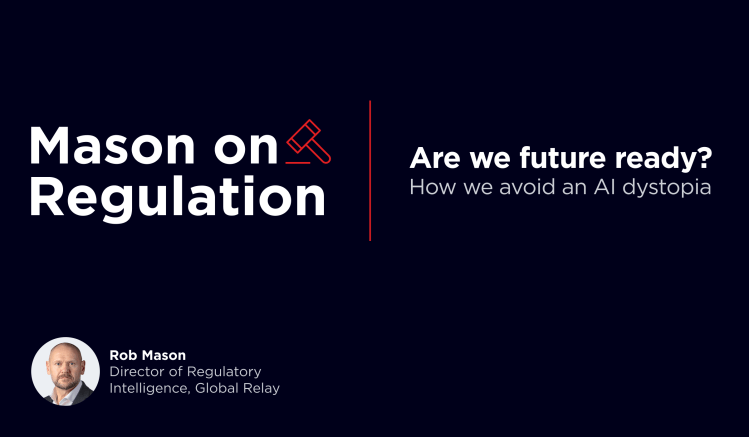
Are we future ready? – How to avoid an AI dystopia
There exists a future in which regulated industries will likely use and rely on AI interfaces to make decisions and speak to consumers, so how can firms ensure they are ready for this change?

Industry Insights 2026: The state of AI, compliance, and surveillance
For the fourth year running our Industry Insights Report uses insights from the compliance and surveillance community to create an overview of the biggest trends and challenges impacting financial services.

Watch the Session: Global Relay at KPMG’s AI Made Real Summit
Global Relay’s Chief Product Officer, Sahar Kayhani, joined the KPMG AI made real summit to speak on the benefits and risks associated with AI adoption in compliance for financial services.